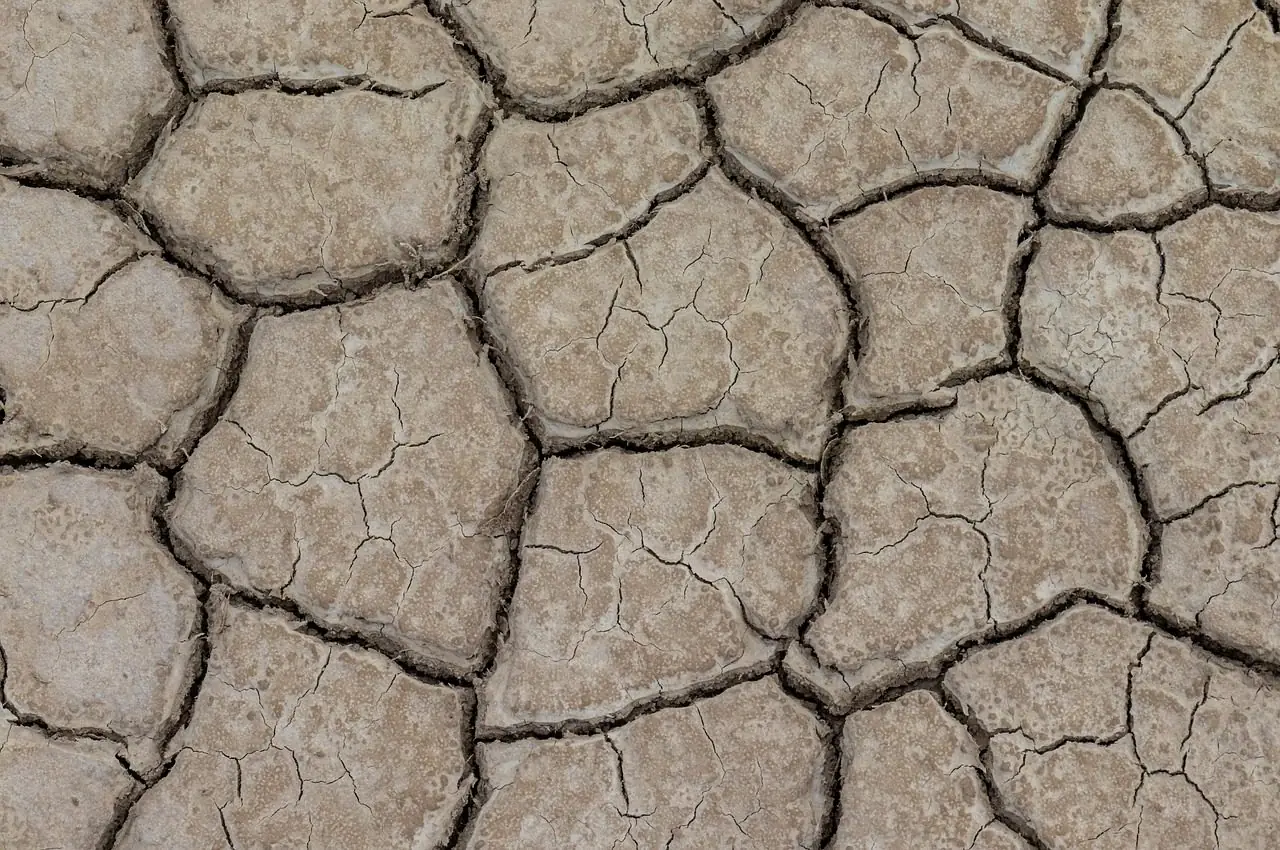
"Should I water my foundation?" is one of the most common foundation questions in Texas. The reasoning comes straight from how expansive soil behaves. TDLR's bulletin explains that soils with high moisture heave and lift a building, while dry soils collapse and let it settle. What hurts a foundation is uneven moisture: one side soaked, another baked.
Tyler's soil-moisture year
Tyler averages about 47.66 inches of rain a year, but the heat is the other half: temperatures pass 90°F on about 91 days a year. Spring and summer storms can soak the ground, then a hot spell dries it out.
What TDLR recommends
The bulletin lists proper surface drainage, plant choices, sprinkling practices and long-term maintenance as ways to limit the moisture swings. In practice:
- Drain water away on all sides. Gutters, downspout extensions and soil that slopes away from the house.
- Water evenly in dry spells. The goal is steady moisture around the whole perimeter, not a flooded bed on one side.
- Mind big trees. Roots near the house can draw moisture from under one side in summer.
- Avoid sudden changes. A new bed, a pool or a patio can change how water moves around the house.
- Watch the signs: new cracks, sticking doors, gaps at trim.
When watering isn't enough
Steady moisture slows movement; it doesn't undo damage that's already happened. If cracks keep growing, ask for an evaluation.
Sources
- Texas Department of Licensing and Regulation, IHB TB 10-01: Foundations on Expansive Soils - Residential (2010, revised October 16, 2018)
- Wikipedia: Tyler, Texas
Checked November 10, 2026. Price surveys and guidance change; the linked source is authoritative.